Flooring
Area Rugs on Hardwood Floors: A Local Guide to Size, Pads, Placement, and Care
An area rug should do three jobs at once: protect the wood finish, make furniture feel connected, and stay safely in place. When one of those jobs is missed, the rug can look undersized, slide underfoot, trap grit, or create uneven fading.
Our Roseville team has worked with hardwood for decades, including years of hands-on installation experience. Chico Carpet One and Roseville Carpet One both offer area rugs and flooring. California Renovation offers cabinets, counters and remodeling through both locations; window treatments are offered at Chico only.
What size area rug should I use on hardwood floors?
The right area-rug size is based on the furniture arrangement, not the dimensions of the empty hardwood floor. In a living room, place at least the front legs of the sofa and primary chairs on the rug. If the room allows, placing all seating legs on a larger rug creates the most unified result. Leave a consistent border of exposed hardwood so the floor still frames the composition.
For a dining room, measure the table and add enough rug on every side for chairs to remain on the rug when pulled out—often about 24 to 30 inches. In a bedroom, a large rug can sit beneath the bed and extend at the sides and foot, while runners can provide a softer landing in a tighter room.
Before ordering, outline the proposed rug footprint with painter's tape and move the chairs through their full range. This simple test shows whether the rug visually connects the furniture, leaves safe walkways, and provides enough clearance at doors, floor vents, and nearby cabinets.
What type of rug pad is safe for hardwood floors?
A rug pad is safe for hardwood floors only when its material is compatible with the specific wood-floor finish. A dense felt pad adds cushioning and protects against abrasion, while natural rubber can add grip. Do not assume that every “non-slip” rug backing is hardwood-safe: plasticized or adhesive backings may discolor or bond to some finishes, especially when heat and sunlight are involved.
Pad thickness also affects door clearance, furniture stability, and the way the rug edge meets the surrounding hardwood. The safest choice balances grip and cushioning without creating a raised edge, trapping moisture, or using a chemical backing that conflicts with the floor finish.
How do I protect hardwood floors from dirt and moisture under an area rug?
Protect hardwood beneath an area rug by removing grit from the rug, rug pad, and exposed floor before the particles can abrade the finish. Vacuum the rug with the correct setting, periodically lift it, and clean both the hardwood and pad. At entries, use a breathable matting system and stop wet footwear before moisture reaches the hardwood.
Protection is a routine, not a one-time installation step. Homeowners should lift the rug periodically to look for trapped grit, moisture, pad transfer, or finish changes. The cleaning schedule should reflect pets, entry traffic, dining use, and seasonal rain rather than following one universal calendar.
Will an area rug cause uneven fading on hardwood floors?
An area rug can cause the covered hardwood to age or change color differently from the exposed floor because wood and finishes respond to light over time. Rotate area rugs and furniture periodically when practical, and manage strong sunlight with shades or drapery. The goal is not to eliminate natural color change; it is to keep the change gradual and balanced.
If the room receives strong sun, record how the light moves across the floor during the day before finalizing rug placement. Coordinating shades, furniture placement, and occasional rug rotation can reduce sharp color boundaries while still allowing the hardwood to age naturally.
Which area-rug texture works best on hardwood floors in each room?
- Living rooms: wool, performance fibers, or dense low-to-medium piles balance comfort and durability.
- Dining rooms: low-pile or flatweave rugs make chair movement and cleanup easier.
- Entries and hallways: low-profile rugs reduce edge curl and trip risk.
- Bedrooms: softer textures can work because food, grit, and rolling traffic are limited.
- Homes with pets: look for cleanable construction, secure edges, and patterns that make daily soil less visible.
Texture should be evaluated with bare feet, shoes, dining chairs, pet nails, and the home's actual vacuum when possible. A rug that looks ideal on a rack may be too thick for chair movement or too delicate for the soil and cleaning demands of the room.
Should I choose the hardwood floor before choosing an area rug?
Choose the hardwood floor before the area rug when both are new, because the wood species, finish, board color, and plank width should lead the room’s palette. Compare hardwood options in Roseville and hardwood options in Chico before selecting area rugs. You can also review the National Wood Flooring Association care guidance for maintenance fundamentals.
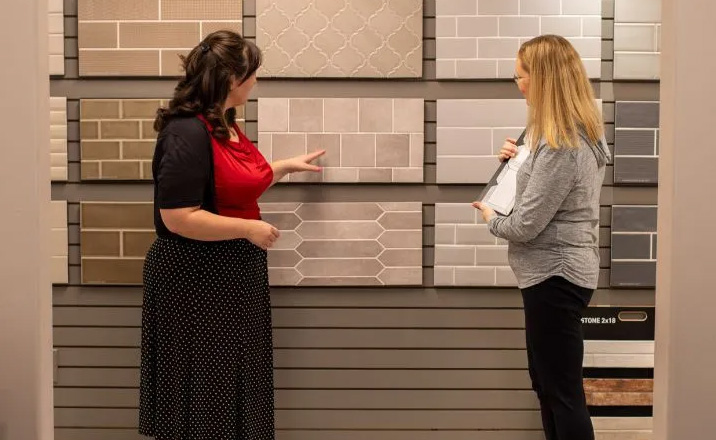
Bring room photos, furniture dimensions, and a flooring sample to either showroom. Explore area rugs at Chico Carpet One and Roseville Carpet One to compare scale, texture and color in person.
When the hardwood already exists, bring a loose flooring sample if available or take clear photos in daylight and evening light. The store can help compare undertones so the rug complements the wood without disappearing into it or creating an unintended color conflict.
How can the Roseville and Chico stores help me choose an area rug for hardwood?
Customers can bring furniture dimensions, room photos, a hardwood sample, and inspiration images to compare rug scale, color, pattern, construction, and pad options in person. The teams can help translate those details into a practical size and explain how pile height, pad thickness, door clearance, chair movement, pets, sunlight, and cleaning affect the choice.
If the hardwood is also being selected, the stores can coordinate undertones and establish the floor first. Both Chico Carpet One and Roseville Carpet One can connect the rug decision to flooring and other finishes. California Renovation offers cabinets, counters and remodeling at both locations, while the Chico team also offers window treatments.
planning a flooring or renovation project?
Compare options with a local specialist in Chico or Roseville — and get a free in-home measure.
Request your estimateFind our showrooms